
How Do Porta Potties Work?
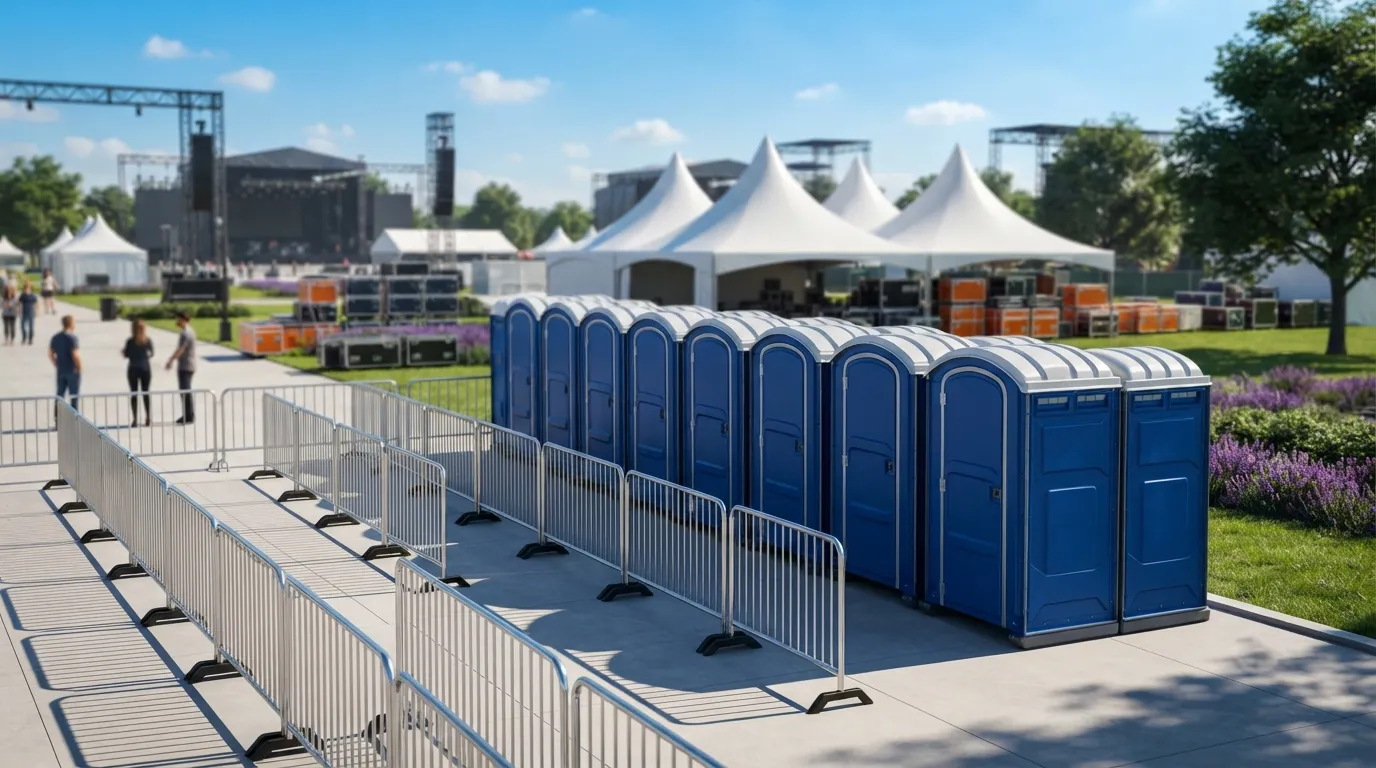
The basic unit is simple: a molded plastic shell sitting over a holding tank, with a seat, a vent stack, and a supply of that blue chemical mix doing the work a flush would normally do. A standard porta potty rental uses this setup, and the tank on a standard unit runs 60 to 70 gallons, big enough to handle regular use between service stops. There's no water hookup because there doesn't need to be one. When a construction worker walks over to a porta potty on a jobsite in Chula Vista, everything happens inside that sealed tank. The chemical does two jobs: it liquifies waste so it pumps out clean, and it knocks down the smell that would otherwise build up in a closed plastic box sitting in the sun. Chula Vista Porta Pros restocks that chemical and pumps the tank on a route schedule, similar to the baseline interval described in ANSI/PSAI Z4.3, which sets one service visit a week for up to 10 users over a 40 hour week. Heavier use means more frequent stops, which is why job site counts matter. If you're planning a build and want the math on unit count, the how many porta potties do I need guide walks through it, and OSHA's ratio under 1926.51(c) sets the baseline for crews of any size.
How Does a Portable Sink Work?
A portable sink runs on two separate tanks, not a pipe. One tank holds fresh water, gravity-fed or foot-pump fed to the spigot, and a second tank underneath catches the gray water after it drains. There's no connection to a city water line and no drain to the street. Handwashing station rental units usually pair with restroom setups because handwashing rules exist separately from toilet requirements. Under 29 CFR 1910.141(d)(2), washing facilities need soap and a towel or air dryer; hand sanitizer alone does not satisfy that standard. For jobs involving paint, coatings, herbicides or insecticides, OSHA 1926.51(f)(1) requires washing facilities specifically because of those contaminants, not as a general rule. A portable sink rental refills the fresh tank and empties the gray tank on the same visit as toilet service, so route timing lines up. Some crews add a hand sanitizer station rental as a supplement between sink visits, though it doesn't replace the soap-and-water requirement on its own.
Do Flushable Porta Potties Work Differently?
Yes. A flushable or deluxe unit uses a small onboard freshwater tank and a foot pump or hand pump to push a rinse of water into the bowl, which then drains into the same holding tank below. It feels closer to a bathroom because there's an actual flush action, even though the waste still sits in a sealed tank rather than a sewer line. The deluxe flushable porta potty line adds this feature along with hand sanitizer dispensers and better ventilation. For weddings, corporate events, or any job in Chula Vista where guests expect something nicer than a bare-bones unit, this is the upgrade tier. An ADA accessible porta potty can come in either standard or flushable configuration, and under ADA Standards 213.2, at least 5 percent of a cluster of units, and never fewer than one, has to be accessible. That accessible unit also needs a 60 inch turning circle per ADA Standards 304.3.1 and a clear door opening of at least 32 inches under ADA Standards 404.2.3.
How Do Camping Porta Potties Work?
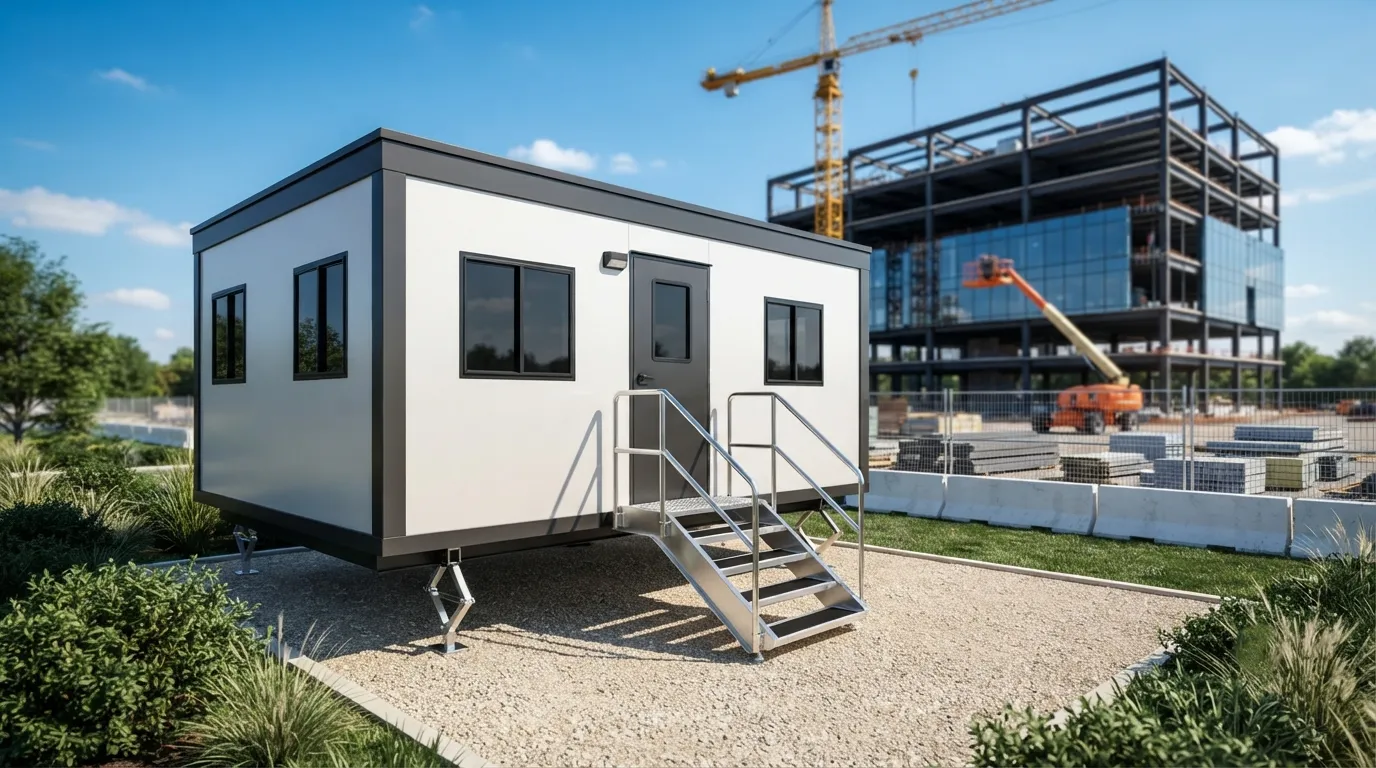
Camping and small event units work the same way as a jobsite unit, just scaled down and often set up without a service route in between. The tank still holds waste, the chemical still controls odor, but usage per unit matters more since there's no daily pump-out. A weekend camping trip or small backyard event near Bonita, 5.7 miles north of Chula Vista, might only need one or two units instead of a full route. Pricing runs differently for short stays: a standard unit rented for a weekend sits in the 125 to 400 dollar range depending on service level, while a single day rental runs lower. For anything longer than a weekend, a porta potty rental per day breakdown or the full porta potty rental cost page shows how day, week, and month pricing compares side by side.
| duration | typical range |
|---|---|
| day | $100 - $350 |
| week | $130 - $500 |
| month | $125 - $325 |
For septic-connected systems instead of portable units, a residential tank is typically pumped every 3 to 5 years depending on tank size and household size, and that's a separate service from portable toilet chemical maintenance. Anyone dealing with tank odors or backups should check septic tank warning signs before assuming it's a portable unit issue.
Why do porta potties smell blue?
The blue color comes from the deodorizing chemical added to the tank, not a dye for looks. It masks odor and helps break down solids between pump-outs. See do porta potties smell for more on what controls smell day to day.
What chemicals go in a porta potty?
A blend of deodorizers and enzyme or formaldehyde-based breakdown agents, added at each service visit. Chula Vista Porta Pros stocks and adds this during scheduled route stops, so renters don't handle chemicals directly.
How often are porta potties serviced?
Weekly is the standard baseline for moderate use, per the interval described in ANSI/PSAI Z4.3. Heavy jobsite or event use often needs more frequent stops; check how often are porta potties cleaned for specifics.
Can I place a porta potty anywhere on my property?
Placement in a right-of-way or near a public sidewalk needs confirming with the city; that hasn't been verified here. For setup distance and clearance guidance, see the porta potty placement guide.
Do portable sinks need a water hookup?
No. They run on a self-contained fresh tank and gray water tank, refilled and emptied during service visits. No line connection is needed, which is why they work on any site in Chula Vista, including unpaved lots.
Next step
Get a delivery date
Tell us the address, the dates and the headcount. We size the order and confirm the route.