
How Often Does a Septic Tank Need Pumping?
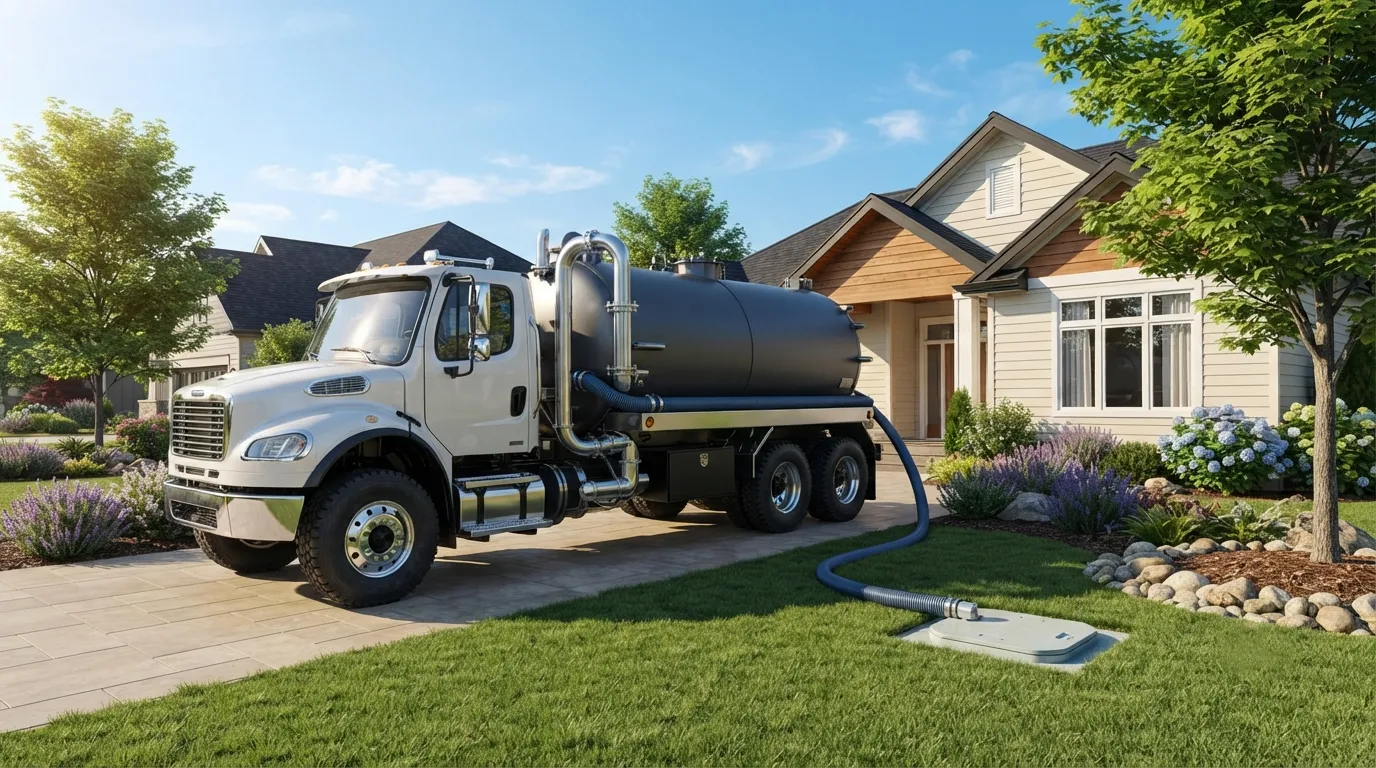
Every tank runs on its own clock. A 1,000 gallon tank serving a typical household gets pumped every 3 to 5 years, driven mostly by tank size and how many people live in the house. Smaller households stretch that interval. Larger families, or homes that added a bathroom without upsizing the tank, need service more often. If you're not sure which end of that range applies to your property, our crew checks scum and sludge depth on the first visit and tells you straight. This isn't a guess based on a calendar sticker from the last owner. Grease interceptors run on a different rule entirely: those get pumped once fats, oils, grease and solids reach 25 percent of the liquid depth, which for a busy kitchen can mean a lot more often than every few years. Restaurants and commercial kitchens in Chula Vista should check our grease trap pumping page for that separate schedule. For general background on tank care, see septic tank cleaning and how often to pump a septic tank. If you're building out and need a placeholder system, holding tank rental covers that gap.
What Decides How Often You Need Service?
Tank size and household size are the two biggest levers, but they're not the only ones. A garbage disposal adds solids faster than a kitchen without one. Long showers, a washing machine running daily loads, and a dishwasher all add water volume that speeds up the fill cycle. Landscaping matters too: tree roots near the leach field can force earlier attention. Homes near Bonita, 5.7 miles north of Chula Vista, and Spring Valley, 13.1 miles north, often deal with older systems installed before current household sizes were the norm, which shortens the safe interval. If you've never had a system evaluated, septic tank warning signs walks through what to look for before you call. For homes that have never scheduled service at all, our emergency septic service line handles the first-time backup as well as repeat customers. A short conversation about your household, your tank size, and your usage tells us most of what we need before the truck ever leaves the yard.
What Are the Warning Signs You Need Pumping Now?
Slow drains in multiple fixtures at once, gurgling in the pipes, and a wet or spongy patch over the leach field all point the same direction. Sewage odor near the tank lid or backups in the lowest drain in the house are later-stage signs, not early ones. If you're seeing pooling water or bright green grass over the drain field in an otherwise dry yard, that's often the tank telling you it's full. Don't wait for a full backup before calling; that's usually the point where cleanup costs more than the pump-out would have. Homes in Imperial Beach, 9.7 miles southwest of Chula Vista, and La Presa, 10.4 miles north, call us most often right at this stage, when the smell shows up before the backup does. Our septic tank warning signs page goes deeper on each symptom. If the problem hits after hours or on a weekend, our emergency septic service crew responds without making you wait for a Monday slot. For an unrelated but related smell question, people managing job sites also ask about do porta potties smell, which we cover separately.

What's Included in a Septic Pumping Service?
A standard visit includes locating and uncovering the tank lid, pumping out solids and liquid, a visual inspection of the tank walls and baffles, and a check on the outlet filter if your system has one. We measure scum and sludge layers before and after so you know exactly what came out and what the next interval looks like. If we find a cracked baffle, a collapsing lid, or root intrusion during that inspection, we'll tell you before we leave, not after the next backup. Standard septic service pricing runs by day, and we'll quote based on your tank size and access. For homes that need a portable toilet during system work, pair the visit with a standard porta potty rental or check porta potty rental cost for that separate line item. Businesses with grease interceptors instead of standard septic should route straight to grease trap pumping. Every job in Chula Vista follows the same checklist regardless of tank size, because skipping the inspection step is how small problems turn into replaced drain fields.

Septic Pumping Cost by Tank Size
| Service | Duration | Low | Typical | High |
|---|---|---|---|---|
| Septic pumping | Day rate | $150 | $250 | $300 |
| Septic pumping | Weekend rate | $50 | $100 | $150 |
A standard 1,000 gallon residential tank falls into the day-rate band above, with the final number shifting based on tank access, how deep the lid is buried, and whether we're pumping a straightforward single tank or dealing with multiple compartments. Weekend service costs less per call in our data, but that reflects smaller weekend jobs rather than a discount on full pump-outs; large or difficult tanks still land in the day-rate range regardless of what day we show up. If your search led you here from a general cost question, septic tank pumping cost breaks down the same numbers with more context. Commercial accounts and grease interceptors run on separate pricing covered on the grease trap pumping page. Jamul, 12.8 miles northeast of Chula Vista, and Casa de Oro-Mount Helix, 16.9 miles north, both fall inside our standard service radius at these same rates.
Do You Offer Holding Tank Service Too?
Yes. A holding tank is a different animal from a septic system: there's no leach field, no bacterial breakdown, just storage until it's pumped. That makes holding tanks common on construction sites, remote properties without a septic hookup, and temporary setups where a full system isn't practical. We service holding tanks on the same truck we use for septic pump-outs, so scheduling both together is straightforward if a property has one of each. Full details, including rental options for properties that need a tank installed rather than just serviced, live on our holding tank rental page. Construction crews juggling a holding tank alongside portable restrooms should also look at construction site services for the combined setup, or temporary power pole if the site needs electrical too. Farms and agricultural operations around Chula Vista often run holding tanks for hand-labor crews; see farm and agricultural restrooms for that specific setup, which also touches OSHA 1928.110's field sanitation requirements for potable water and toilets within a quarter mile walk of the work area.
How Fast Can You Respond to a Septic Emergency?
Same-day, in most cases, and often faster if you call before midday. A septic backup doesn't wait for a convenient appointment window, so our emergency crew prioritizes calls where sewage is actively backing up into the house over routine scheduled maintenance. Coronado, 15.9 miles west of Chula Vista, and Lemon Grove, 12.1 miles north, both sit inside our emergency response radius. If your regular pumping is overdue and you're seeing warning signs, don't wait for the next scheduled slot; call and we'll bump the timeline. Our emergency septic service page has direct contact details, or use request a quote for non-urgent scheduling. For disaster situations involving broader sanitation needs beyond a single tank, disaster relief sanitation covers larger-scale response. General questions about our full service lineup, including portable toilet rental and roll-off dumpster rental, are on our about and contact pages.
How much does septic tank pumping cost?
Septic pumping typically runs $150 to $300 for a day-rate call, depending on tank size and access. Weekend calls in our data trend lower per visit, but that reflects job size, not a standing discount. See septic tank pumping cost for the full breakdown by scenario.
How often should a 1,000 gallon septic tank be pumped?
Every 3 to 5 years for a typical household, though usage, household size, and whether you have a garbage disposal all shift that timeline. Larger families or homes with added bathrooms should lean toward the shorter end of that range.
What are the first signs a septic tank needs pumping?
Slow drains across multiple fixtures, gurgling pipes, and a soggy or unusually green patch over the drain field are the earliest signs. Sewage odor near the tank or backups inside the house mean you're past due; see septic tank warning signs.
Is a holding tank the same as a septic system?
No. A holding tank just stores waste until it's pumped, with no leach field or bacterial treatment involved. Septic tanks treat and disperse waste on-site. Details on renting one are on holding tank rental.
Do you offer emergency septic pumping?
Yes, usually same-day. Backups don't wait for scheduled slots, so emergency calls get priority over routine maintenance. Visit emergency septic service for response details.
Can you service grease interceptors too?
Yes, but on a different schedule than residential septic. Grease interceptors get pumped once fats, oils, grease and solids hit 25 percent of the liquid depth, often more frequently than a household tank. See grease trap pumping for commercial kitchen scheduling.
Next step
Get a delivery date
Tell us the address, the dates and the headcount. We size the order and confirm the route.