How many ADA units do I need?
Start with the 5 percent rule from ADA Standards section 213.2. If you're setting out 10 standard units, one has to be accessible; at 20 units, that's one, and you'll want to recheck at higher counts since the ratio never drops below one unit regardless of cluster size. This is separate from the general toilet count under OSHA 1926.51(c), which governs how many total facilities a construction crew needs based on headcount, not accessibility. Chula Vista sites running both a compliance crew count and a public event often layer the two rules: figure your total units from worker count, then confirm one of them meets ADA specs. Our ADA accessible porta potty units are built to the standard from delivery, so you're not scrambling to swap one in after the walkthrough. For mixed-use sites, like a renovation crew working near a public sidewalk in Chula Vista, we recommend pricing both the standard porta potty rental and the ADA unit together so the ratio holds without guesswork. Check our how many porta potties do I need guide for the worker-count side of the math.
What makes a porta potty ADA compliant?
Size and clearance, mostly. ADA Standards section 304.3.1 calls for a 60 inch turning circle inside the unit, and section 404.2.3 sets the minimum clear door opening at 32 inches, wider than a standard unit's frame. The route to the door matters too: section 403.5.1 requires a 36 inch clear path, and section 405.2 caps any ramp at a 1:12 slope, so a unit dropped on uneven ground in Chula Vista without a level pad can fail the standard even if the unit itself is correct. Inside, section 308.2.1 limits the forward reach for grab bars and dispensers to 48 inches high and 15 inches low, and section 309.4 requires that locks and latches work with one hand and no more than 5 pounds of force, no twisting or pinching. Section 302.1 also requires the floor be stable, firm and slip resistant, which is why we don't set ADA units on loose gravel without a mat underneath. Our ADA accessible porta potty page has photos of the layout if you want to see the clearances before your event.
Where should ADA units be placed on site?
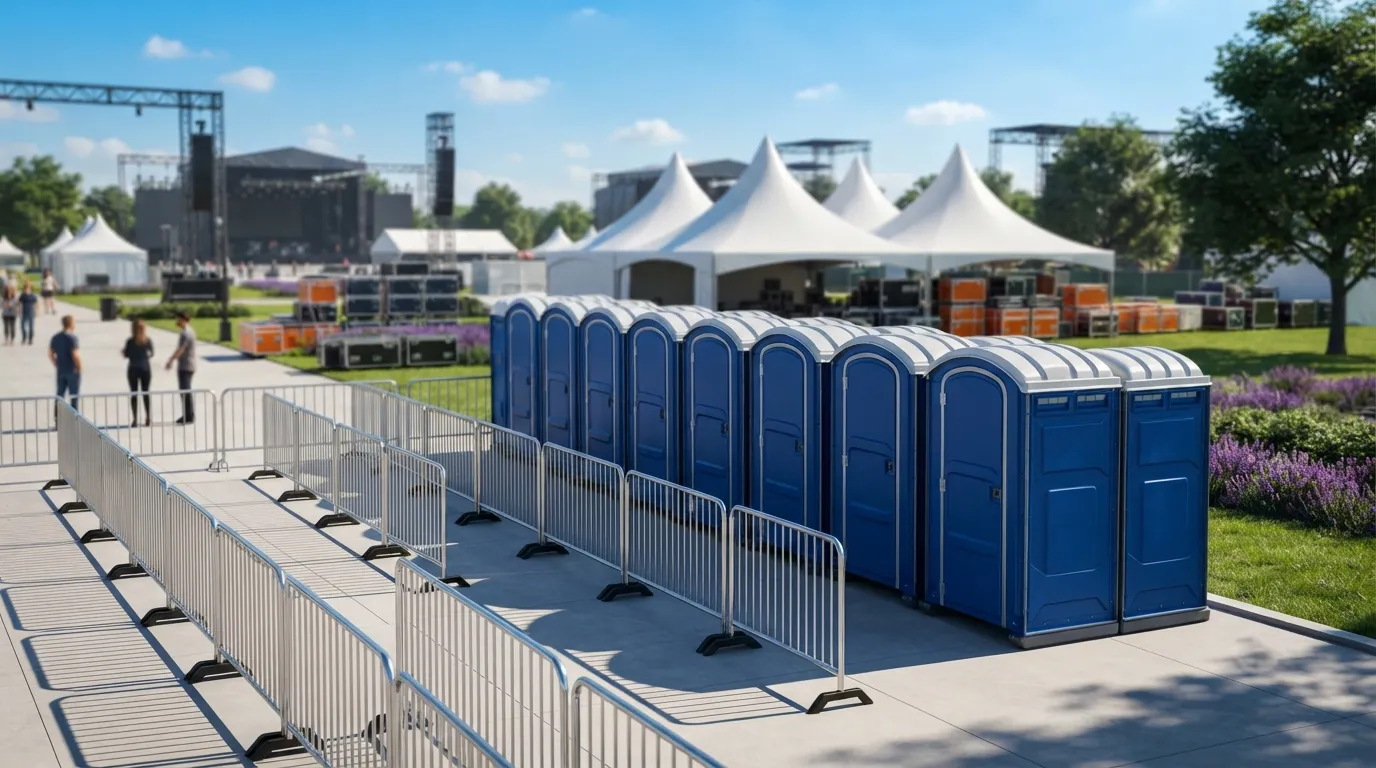
On a firm, level surface, with a clear approach path, and close enough to the work or crowd that people actually use it. That last point trips up a lot of site plans. A unit meeting every dimension in the ADA standard still fails in practice if it's set behind a fence line or across a gravel lot nobody can wheel a chair over. Our porta potty placement guide covers ground prep in more detail, but the short version for Chula Vista sites: pour a gravel or plywood pad if the ground isn't already flat, keep the 36 inch path clear of cords, hoses and debris under OSHA 1926.25 housekeeping rules, and don't tuck the ADA unit at the far end of a cluster where it's the last one serviced. If you're placing units near a public right of way, porta potty permit requirements covers what to check with the city before delivery. For events with a marked accessible parking path, tie the restroom placement into that same route so guests aren't crossing an unpaved section to reach it.
Do all portable restroom orders need an ADA unit?
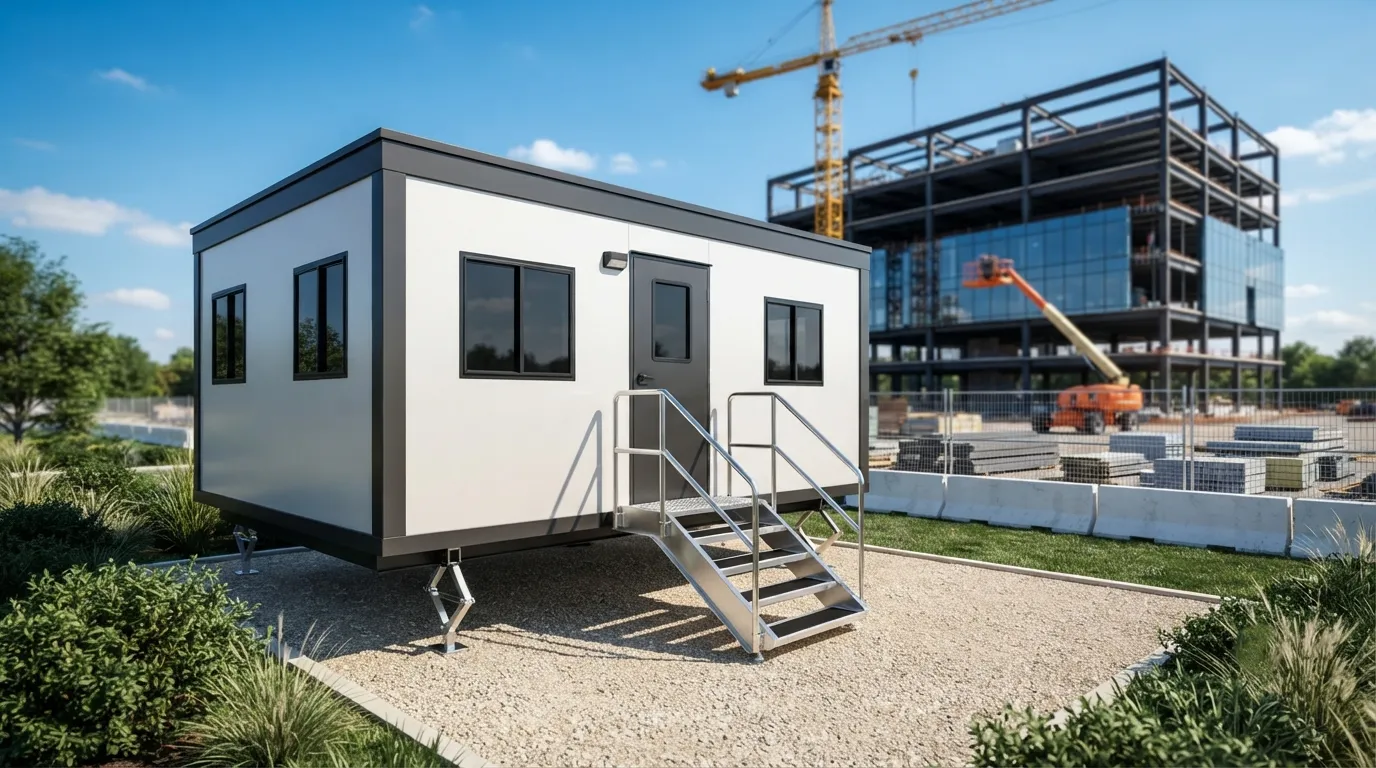
Not every private job site does, but most public-facing ones should plan for at least one. A residential home renovation porta potty rental for a single crew usually doesn't trigger the ADA cluster rule since there's no public access involved. A festival restroom rental, wedding restroom rental, or county fair restrooms setup in Chula Vista almost always needs one, since the public is invited and the 5 percent rule in section 213.2 applies to any cluster of single-user units serving them. Construction sites fall in between: crew-only sanitation follows OSHA 1926.51(c) for total count, but if the site has public visitors, inspectors, or a sales trailer people walk through, the accessible unit becomes a good idea even without a hard trigger. We size this into every request a quote conversation rather than leaving it to guesswork on delivery day.
Pricing for ADA units
| duration | low | typical | high |
|---|---|---|---|
| day | $200 | $230 | $400 |
| week | $120 | $185 | $240 |
Weekend rentals run close to the day rate, often near $240 to $300 for a two or three day event window. Full details are on our porta potty rental cost and porta potty rental per day pages, and for longer jobs the monthly porta potty rental page breaks down the math.
Does an ADA unit need to be serviced more often than a standard one?
No, service frequency follows usage, not the unit type. ANSI/PSAI Z4.3 sets a baseline of one visit per week for up to 10 users over a 40 hour week. Heavy public events in Chula Vista often need daily service regardless of unit type.
Can I rent just one ADA unit for a small event?
Yes. Section 213.2 requires at least one accessible unit even in a cluster of two or three standard units. Many small weddings and backyard events in Chula Vista order exactly one ADA unit alongside two or three standard ones.
What's the difference between ADA and deluxe flushable units?
ADA units meet accessibility clearances; deluxe units add flush mechanisms and better fixtures. They're not the same category. See deluxe flushable porta potty for specs, since some events want both features in one unit.
Do construction crews in Chula Vista need an ADA porta potty?
Only if the public interacts with the site. Crew-only sanitation is governed by OSHA 1926.51(c) on headcount, not accessibility. Add one if inspectors, visitors or the public cross the site.
How far in advance should I book an ADA unit?
Book as early as you can, especially for weekend events. ADA units run a smaller inventory than standard units, and Chula Vista events near Bonita or Imperial Beach can pull from the same limited stock.
Next step
Get a delivery date
Tell us the address, the dates and the headcount. We size the order and confirm the route.