
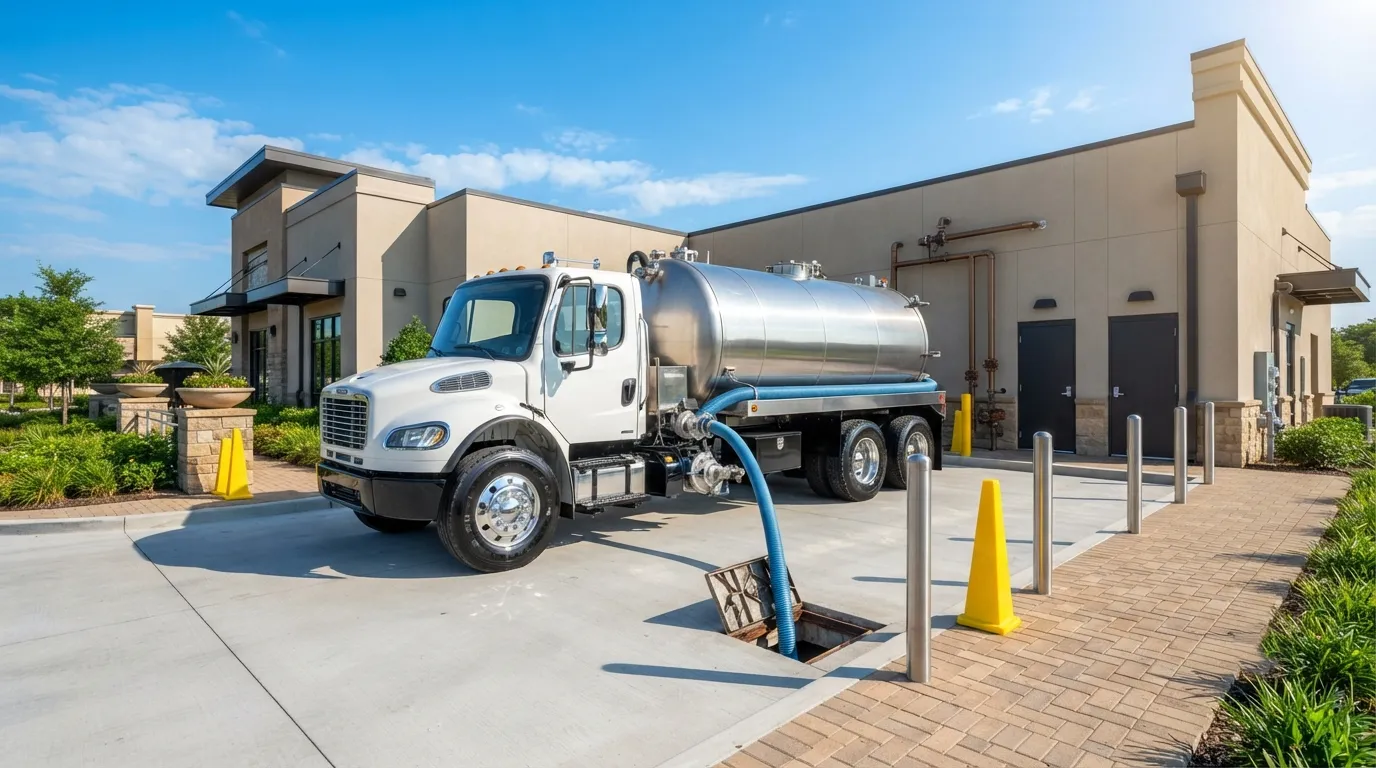
How Do You Know When A Grease Trap Needs Pumping?
A grease trap is full when fats, oils, grease and solids reach 25 percent of the liquid depth in the interceptor, which is the measured line for pumping. Below that, the trap still separates grease from wastewater the way it should. Above it, grease starts pushing into the line and you get backups, odor complaints, or a health inspector asking questions. Most Chula Vista kitchens check monthly and log it, because guessing costs more than checking, the same discipline covered in how often to pump a septic tank. If your kitchen sits near a shared line with other tenants, backups tend to show up fastest at the lowest fixture, so a slow drain is often the first warning sign before the surface layer visibly rises. Chula Vista Porta Pros services traps on a route basis, which keeps septic pumping service and grease trap pumping visits predictable instead of reactive. If you are unsure how full your interceptor runs, septic tank warning signs covers the common signals across both septic and grease systems.
What Does Grease Trap Pumping Cost In Chula Vista?
Pricing depends on trap size, access, and whether it is a scheduled route stop or an emergency call, much like the factors we lay out on porta potty rental per day for other equipment. Septic and grease pumping in this market runs in the range below for standard day-rate service; a same-day emergency call typically lands at the higher end because of routing and after-hours labor.
| service | duration | low | typical | high |
|---|---|---|---|---|
| septic/grease pumping | day | 150 | 250 | 300 |
| septic/grease pumping | weekend | 50 | 100 | 150 |
These figures track our septic tank pumping cost page closely, since grease interceptors and residential tanks get pumped by the same trucks and crews. A residential septic tank is typically pumped every 3 to 5 years depending on tank size and household size, which is a much longer interval than a commercial grease trap sees; property owners weighing that schedule can start at how often to pump a septic tank. For a full cost breakdown across unit types, see porta potty rental cost if you are bundling sanitation for a kitchen buildout or renovation site.
Why Does Commercial Grease Trap Pumping Matter For Chula Vista Kitchens?
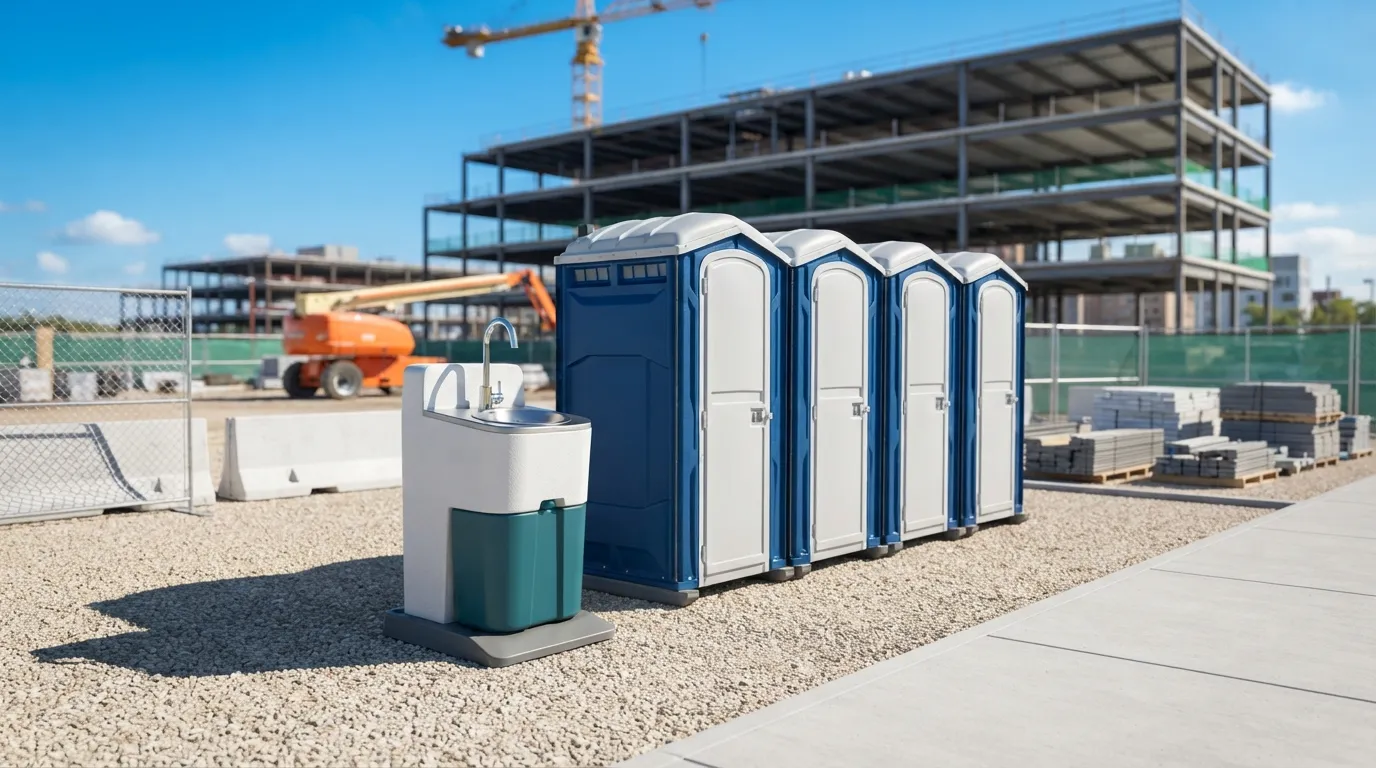
A neglected trap does not fail quietly. Grease that backs past the interceptor travels into the municipal line, and that is a shared-infrastructure problem, not just a kitchen one, the kind of issue septic tank warning signs also flags for residential systems. Commercial grease trap pumping on a fixed route protects your drain lines and keeps your kitchen out of a compliance conversation you did not plan for. Chula Vista restaurants near Third Avenue and H Street corridors run tight kitchen footprints, and a slow trap there backs up fast because there is nowhere for overflow to go. Emergency grease trap pumping exists for exactly that moment: a Friday dinner rush, a trap that finally gives out, and a line cook staring at a floor drain, the same urgency that drives calls to our emergency porta potty rental line for other site emergencies. Chula Vista Porta Pros runs both scheduled and emergency grease trap pumping services, the same way we run emergency septic service for residential tanks. If your operation also handles field work or event catering, pair grease service with portable restroom rental, a portable sink rental, or a handwashing station rental so the crew has washup that meets 29 CFR 1910.141(d)(2), which requires soap and towels or a hand-drying device, not just sanitizer.
Construction crews building out a new kitchen should also plan sanitation for the crew itself under OSHA 1926.51(c), which sets toilet counts by headcount. That is separate from the grease trap, but both get inspected before opening day. For general contractor jobs nearby, construction site services and construction dumpster rental round out the buildout, a temporary fence rental secures the site while equipment sits exposed, and a storage container rental keeps tools locked up between phases.
How often should a commercial grease trap be pumped?
It depends on volume, not a fixed schedule. High-fry kitchens often need monthly service; lower-volume counters can stretch longer. Track the 25 percent depth mark and pump before you hit it. Chula Vista Porta Pros can set a route interval once we see your actual usage pattern, similar to how we scope monthly porta potty rental intervals for long jobs.
Is emergency grease trap pumping available same-day?
Yes, when a trap backs up during service hours, we prioritize it. Emergency calls run at the weekend service rate shown above rather than the standard day rate, since it means pulling a truck off a scheduled route on short notice.
Can one company handle both septic and grease trap pumping?
Yes. The trucks, vacuum equipment and disposal process are the same for both. Chula Vista Porta Pros runs septic and grease routes together, which is why bundling septic tank cleaning with grease service on one visit often makes sense for a single property.
Do grease traps need a permit to install or replace?
Permit and code requirements vary by property and use. Confirm placement and installation rules directly with Chula Vista before scheduling work; see porta potty permit requirements for how we handle permit questions on the sanitation side generally.
What happens to the waste after a grease trap is pumped?
It is hauled off for disposal through licensed channels, the same process used for holding tank rental waste and standard septic pumping. Nothing gets dumped on-site or into a storm drain. Ask your route tech which facility your load goes to if your business needs it documented.
Next step
Get a delivery date
Tell us the address, the dates and the headcount. We size the order and confirm the route.